
INDICATE LIFE co-hosts Whole Life Carbon Network Event in Brussels
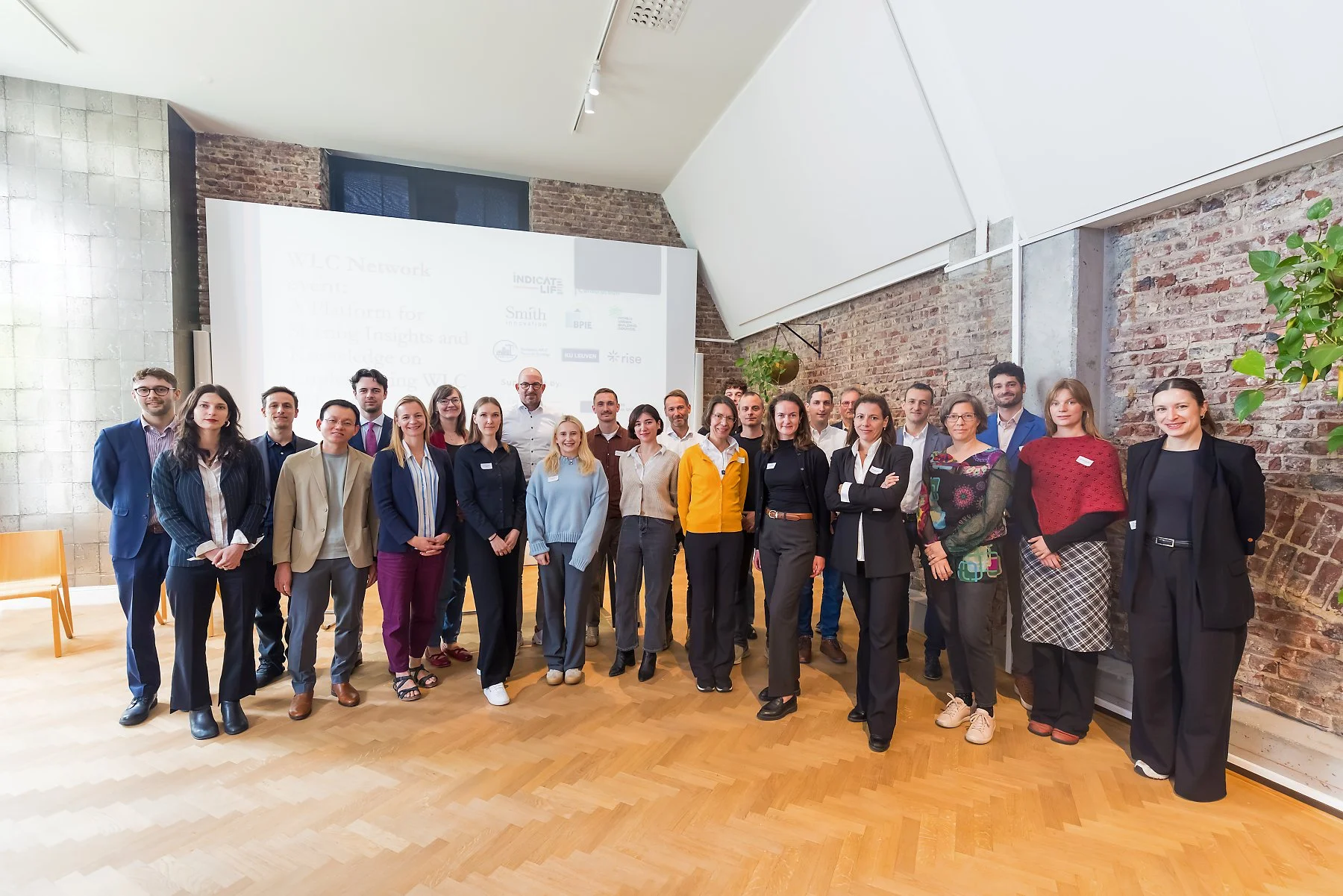
Participants gathered at the WLC Network Event in Brussels.
On 10 June 2026, the INDICATE LIFE project joined the European WLC Forum for Buildings and Nordic Sustainable Construction in hosting a Whole Life Carbon (WLC) Network Event in Brussels. The event brought together stakeholders from across academia, industry and policy to discuss the future of WLC assessment and regulation in Europe.
The event provided a forum for participants to learn from frontrunners, share implementation experiences and explore how Europe can accelerate the adoption of harmonised WLC methodologies in support of the recast Energy Performance of Buildings Directive (EPBD).
Insights from keynote presentations
Nordic Sustainable Construction: Harmonisation and expanded scope
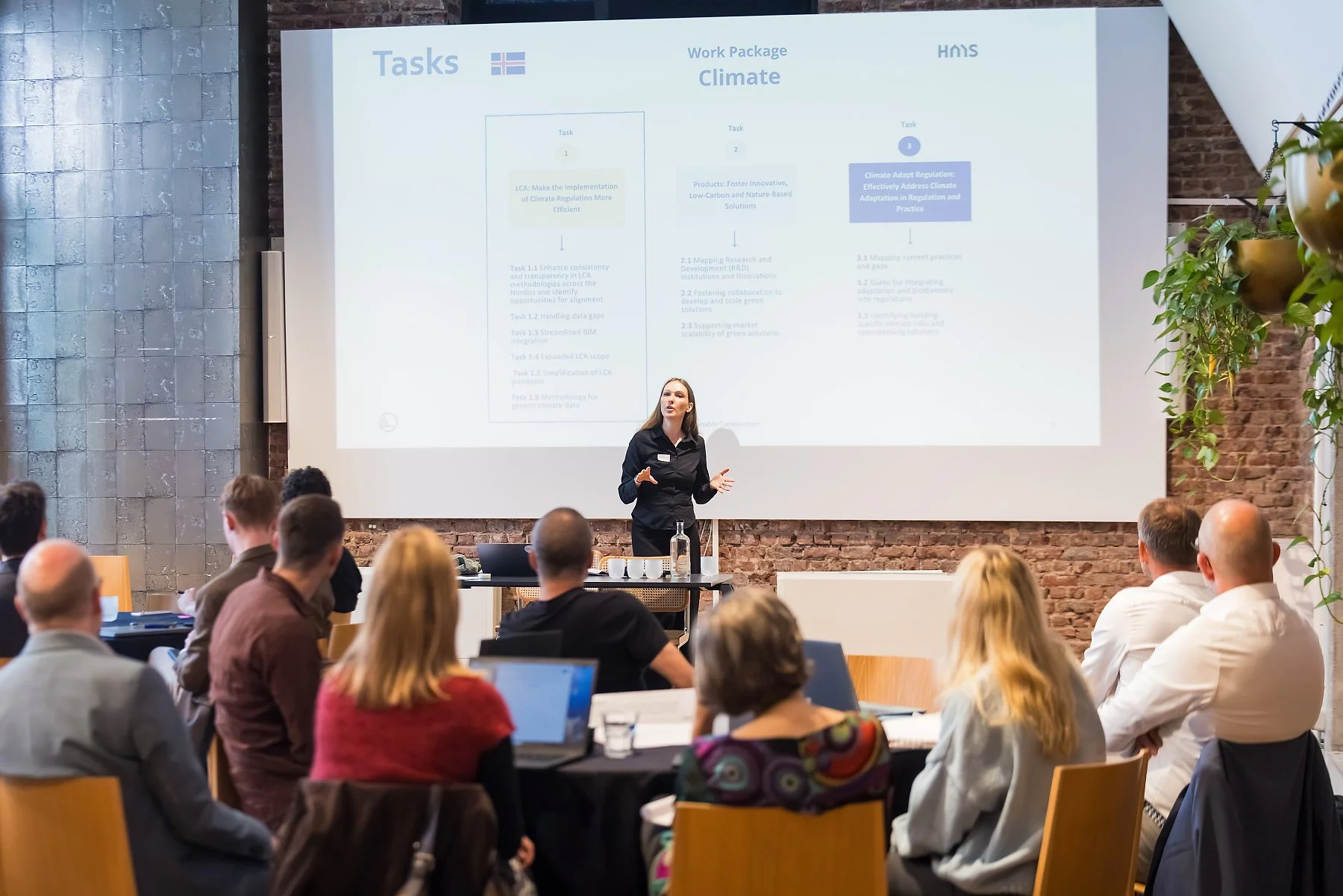
Arora Arnadottir of Nordic Sustainable Construction sharing insights on LCA harmonisation, renovation assessment and future considerations beyond carbon.
Arora Arnadottir from Nordic Sustainable Construction shared lessons learned from their work on harmonising life cycle assessment (LCA) approaches across Nordic countries and expanding assessment scopes.
Preliminary findings from focus groups examining LCA for renovation projects highlighted the growing need to better capture the climate impacts of renovation activities. Discussions explored challenges related to harmonisation, scope definition and the development of limit values, while emphasising the importance of balancing methodological rigour with practical implementation.
The presentation also explored future considerations beyond carbon, including biodiversity and circularity.
INDICATE Pilot: Developing national methodologies and addressing data gaps

Giorgio Garino, Program Coordinator at SEAI, presenting on the INDICATE Pilot’s approach to supporting WLC assessment and EPBD implementation.
Giorgio Garino, Program Coordinator at Sustainable Energy Authority of Ireland (SEAI) shared experiences from the INDICATE Pilot, highlighting approaches to developing national methodologies aligned with EPBD requirements and addressing critical data gaps.
The presentation demonstrated how WLC assessments can deliver benefits beyond compliance, including reducing material use and costs, improving design efficiency, supporting building management and increasing transparency across supply chains. It also highlighted the importance of collaboration between national authorities, industry stakeholders and international partners to support successful implementation.
Industry insights and the evolving regulatory landscape
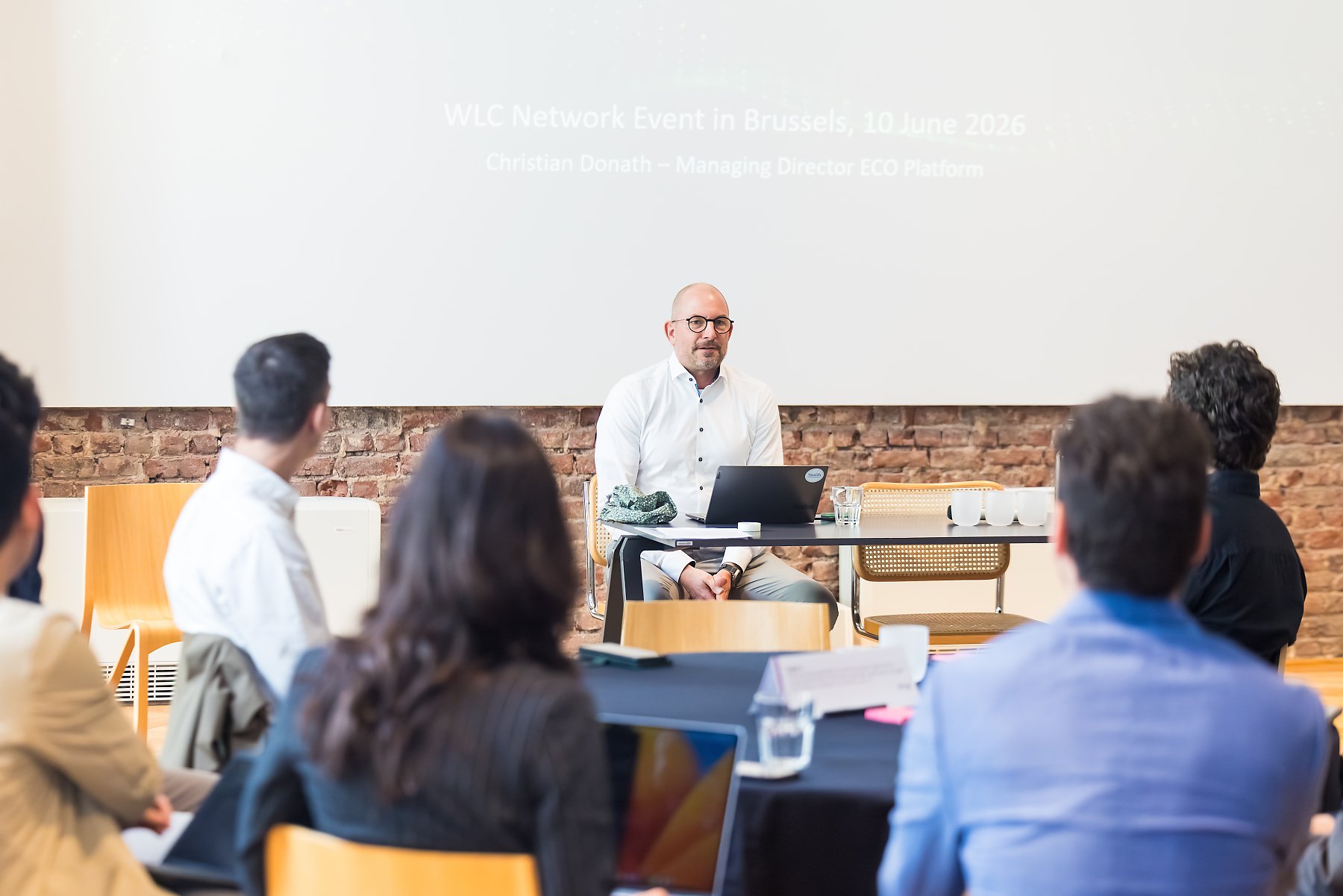
Christian Donath, Managing Director of ECO Platform, sharing industry perspectives on WLC policies and the evolving regulatory landscape.
Christian Donath, Managing Director of ECO Platform, shared industry perspectives on how WLC policies are driving innovation and creating market opportunities across the construction sector.
The presentation also explored the evolving regulatory landscape and the relationship between product- and building-level policies, highlighting the importance of alignment to support effective implementation.
Interactive discussions on implementation and future priorities
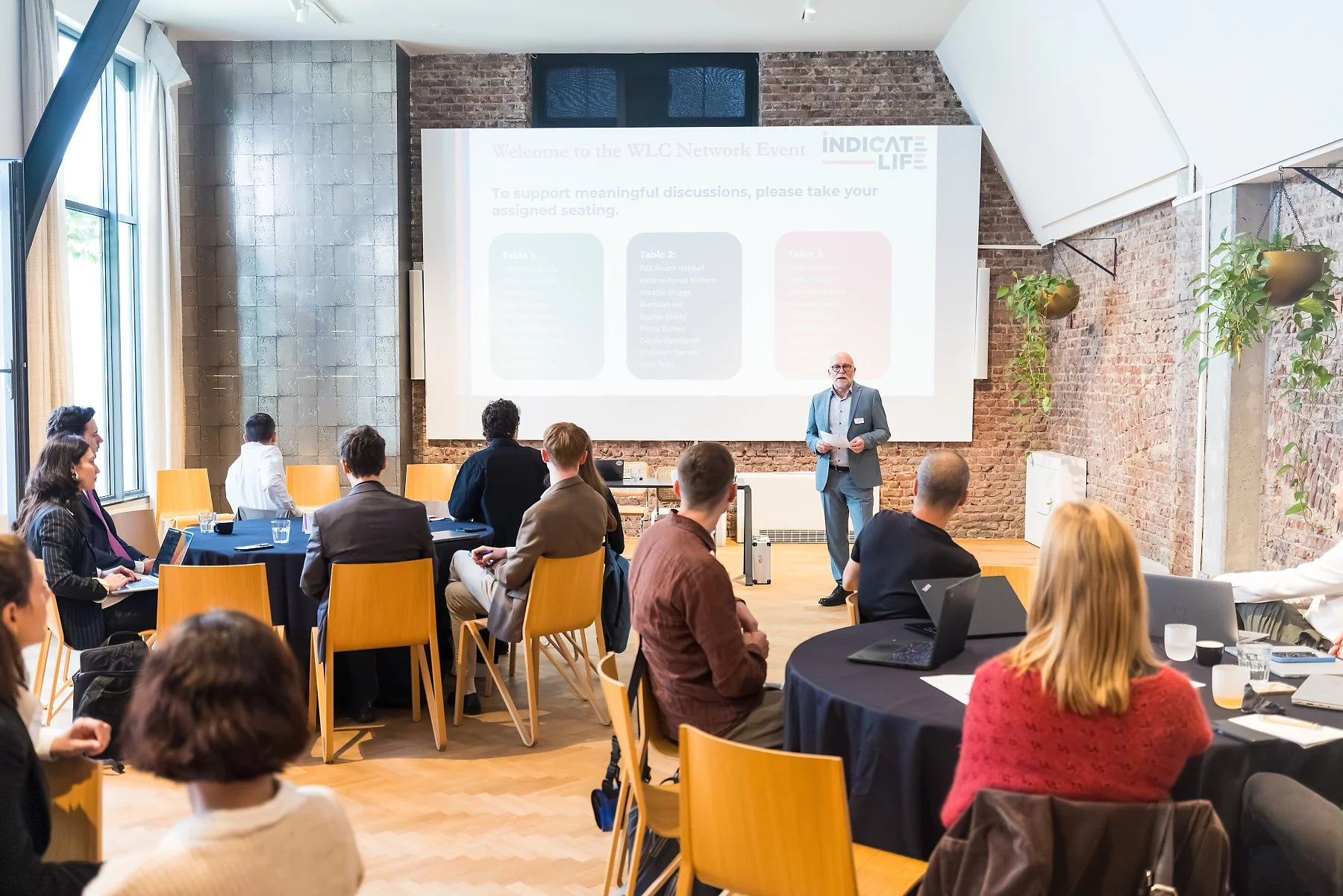
Oliver Rapf, Executive Director of Buildings Performance Institute Europe (BPIE), opening the roundtable discussions.
The event concluded with interactive roundtable discussions focused on three key themes: setting meaningful limit values, addressing practical implementation challenges, and identifying future priorities beyond carbon.
Discussions highlighted the importance of collaboration across EU Member States and sectors to support the consistent implementation of WLC assessment and accelerate the transition to a low-carbon built environment.
Participants also explored the role of regulation as a key driver of market transformation, while recognising the importance of balancing long-term sustainability ambitions with practical implementation considerations.
Renovation and the better use of existing building stock were also identified as critical priorities for reducing emissions and improving resilience across Europe's built environment.
Looking ahead
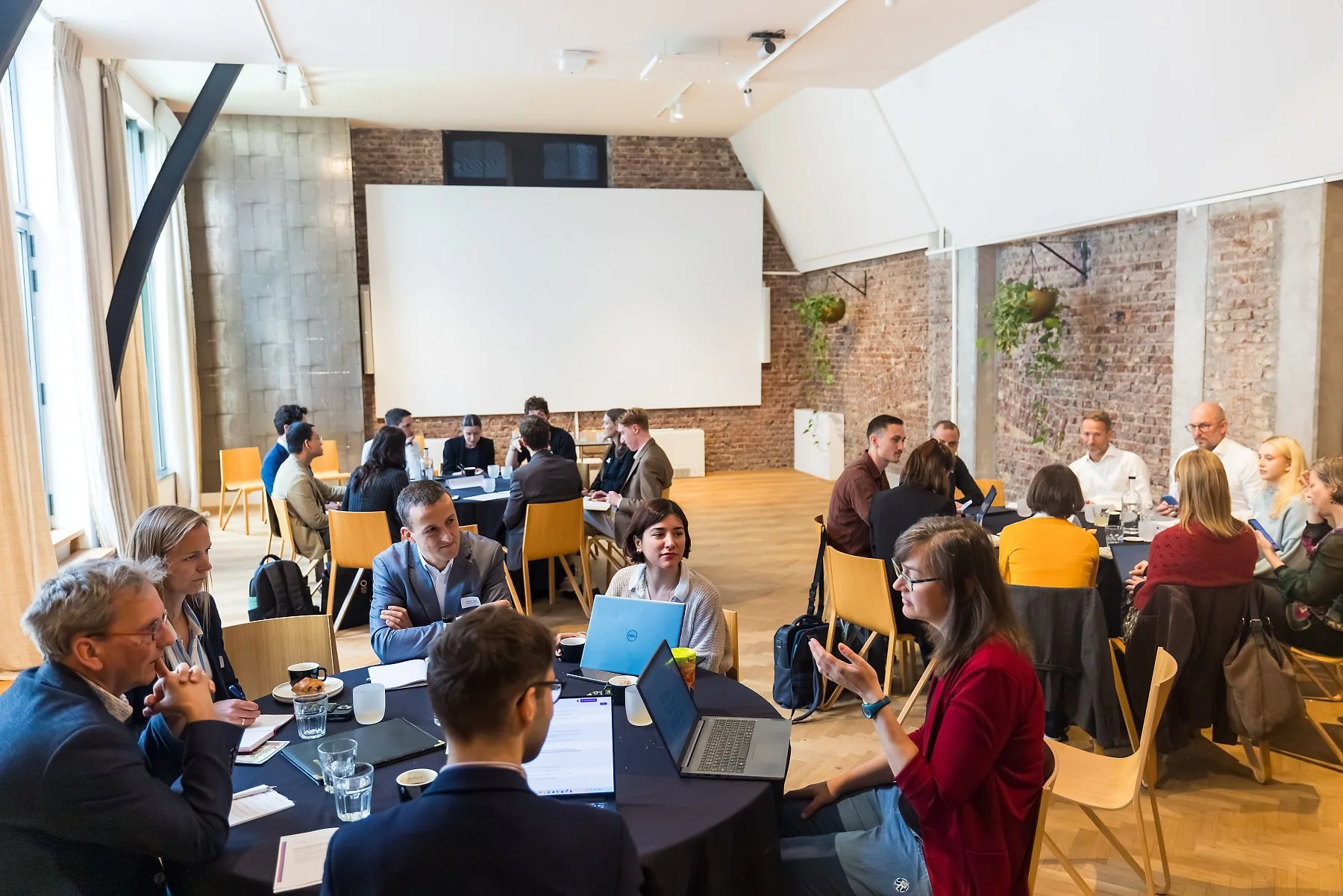
Participants exchanging perspectives during the roundtable discussions.
The event demonstrated the growing momentum behind WLC carbon assessment and regulation across Europe. By bringing together stakeholders from policy, industry and academia, the event provided an important opportunity to share experiences, identify common challenges and strengthen collaboration.
INDICATE LIFE looks forward to continuing these conversations and supporting the development of harmonised, evidence-based approaches that help accelerate the decarbonisation of Europe's built environment. The insights shared during the event will help inform the project's ongoing work to strengthen WLC data, methodologies and recommendations across Europe.